Llevant Peninsula Natural Park
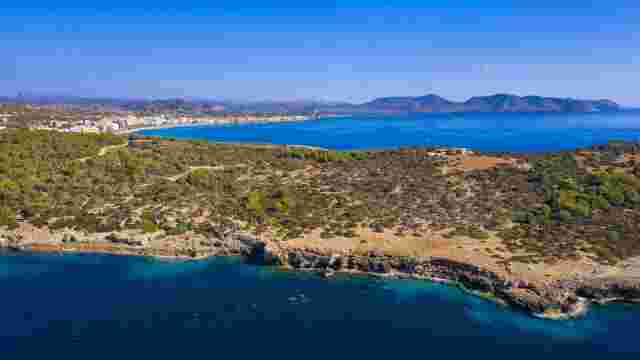
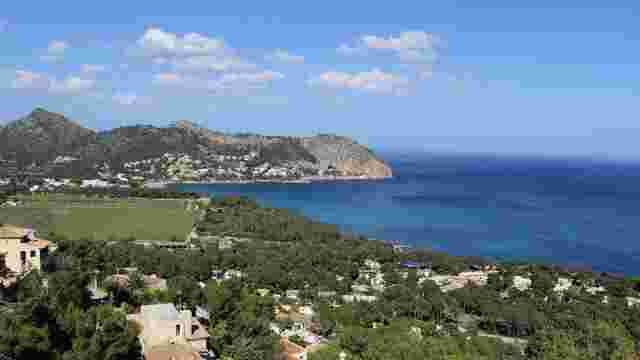
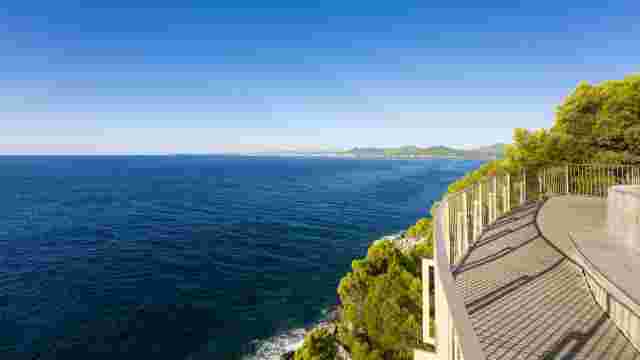
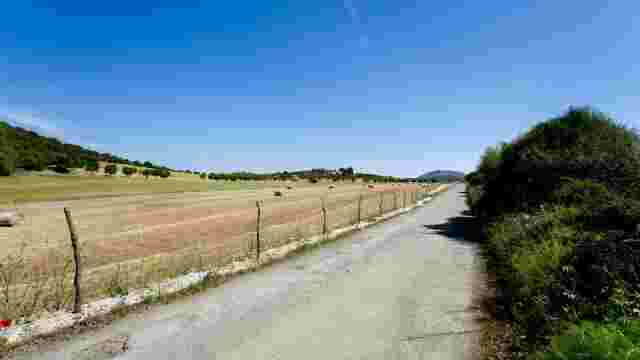
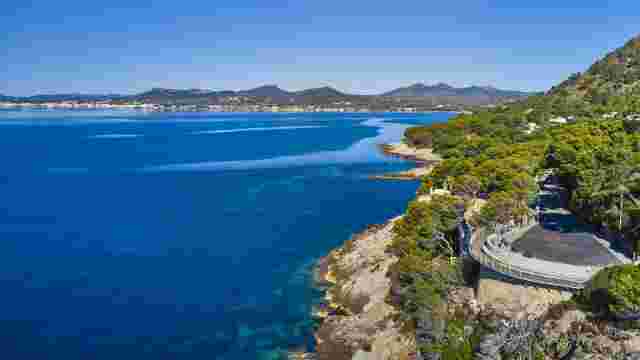
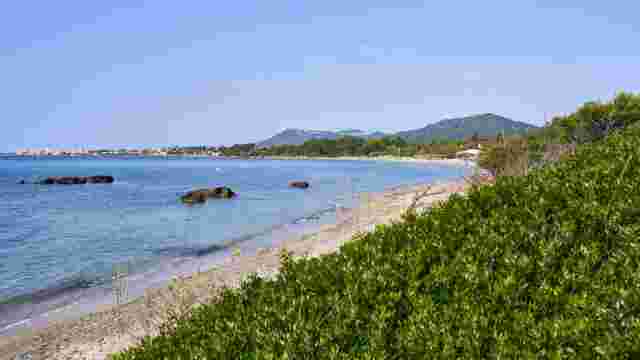
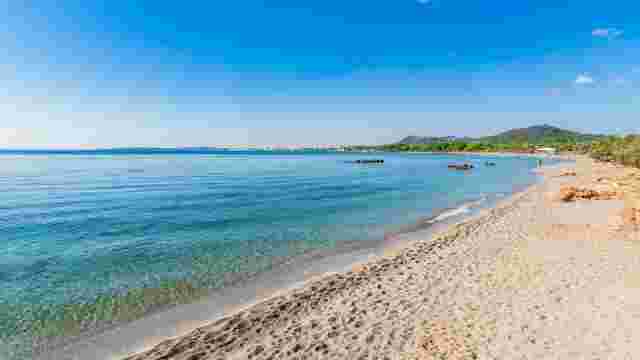
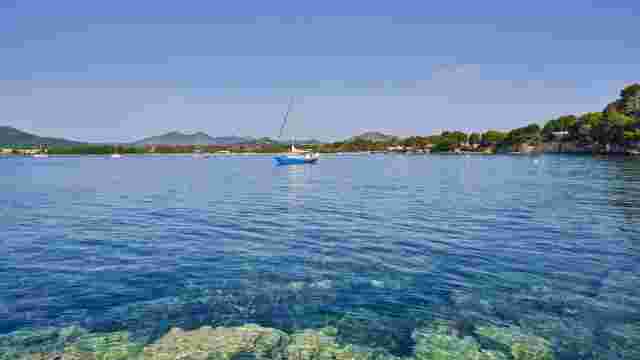
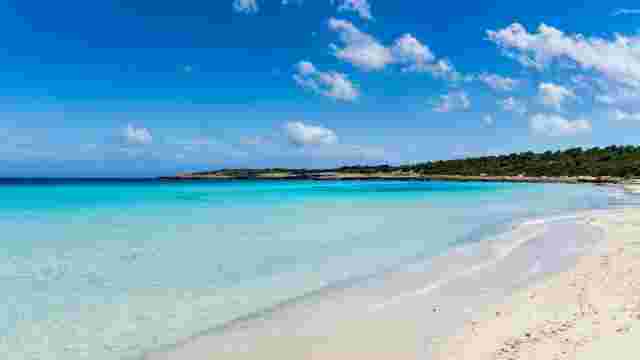
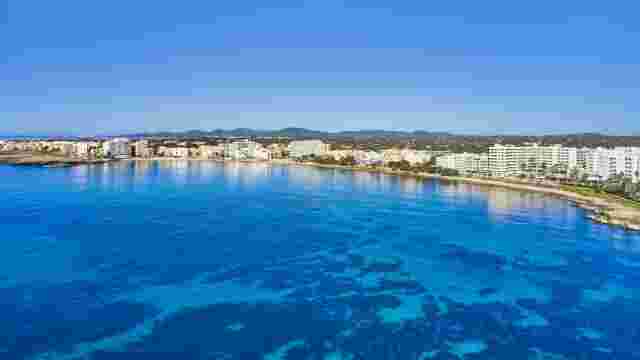
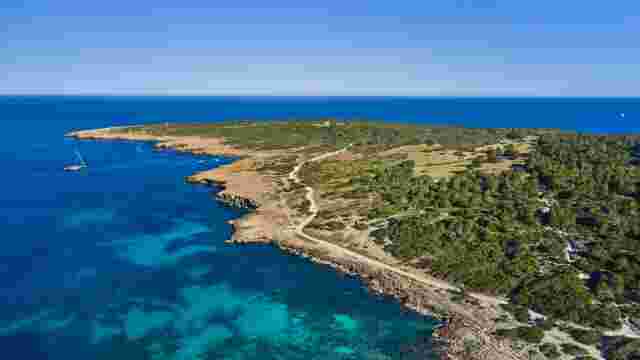
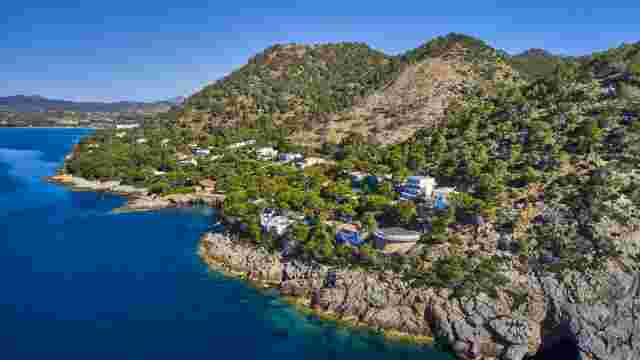
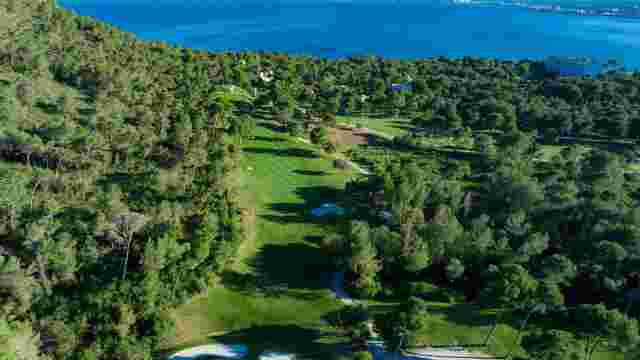
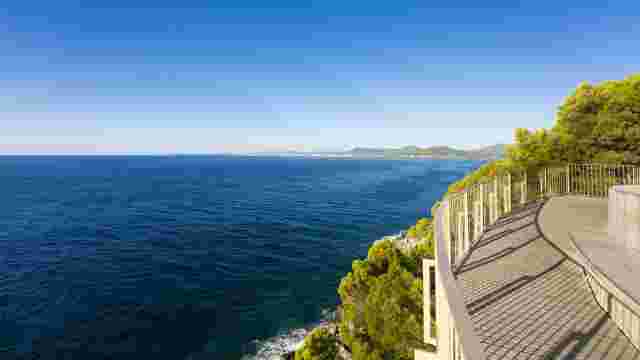
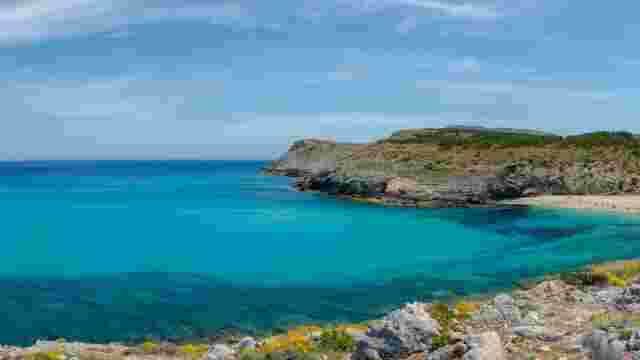
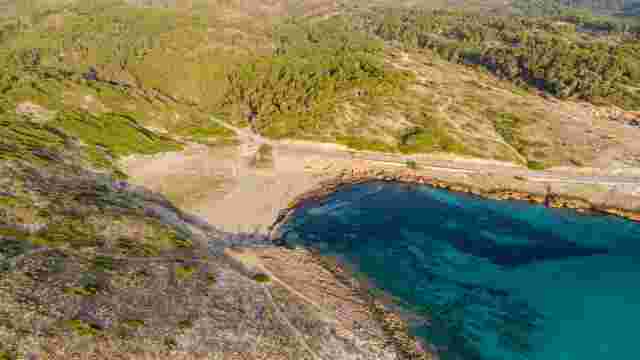
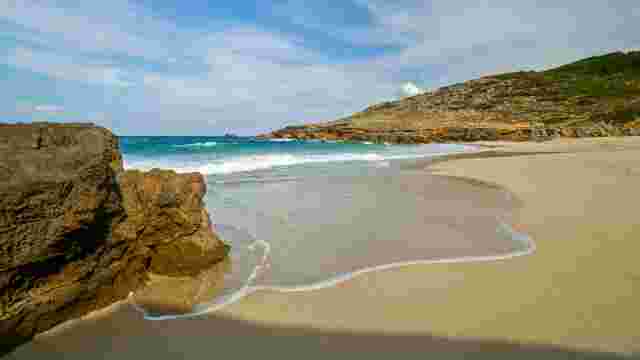
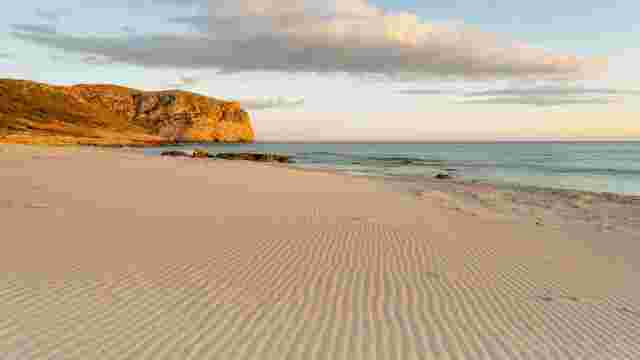
The Llevant Peninsula Natural Park is the largest and one of the best-preserved natural parks in Mallorca. Located in the northeast of the island, right in the heart of the Mallorcan Llevant, it encompasses wild cliffs, centuries-old holm oak groves, peaks with sea views, and some of the most pristine and least crowded beaches in the entire Mediterranean.
A park with free admission, where nature rules and silence is the soundtrack. If you have only one reason to visit the east of Mallorca, let it be this one.
Information about the Llevant Peninsula Natural Park
The Llevant Natural Park was declared a natural park in 2001, with an initial total area of over 17,000 hectares spanning both land and sea. In 2023, through Decree 8/2023, the Balearic Government approved a major expansion that included new areas of the Artà peninsula, establishing it as one of the major benchmarks for nature conservation in the Balearic Islands.
The Llevant Park extends across the municipalities of Artà, Capdepera, Sant Llorenç, Manacor, and Santa Margalida, and is part of the European Union's Natura 2000 Network, as well as being designated a SPA (Special Protection Area for Birds).
Landscapes and Ecosystems of the Llevant Natural Park
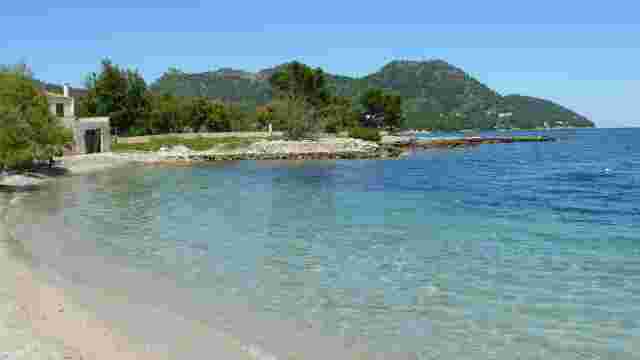
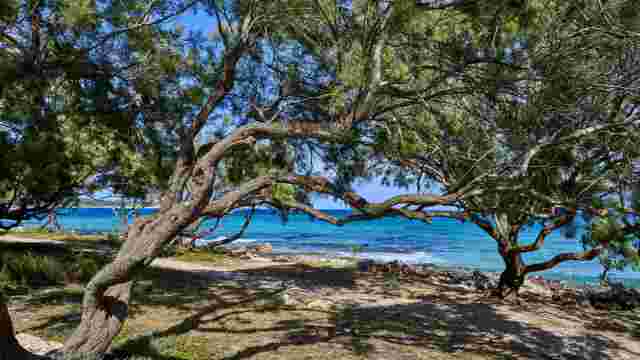
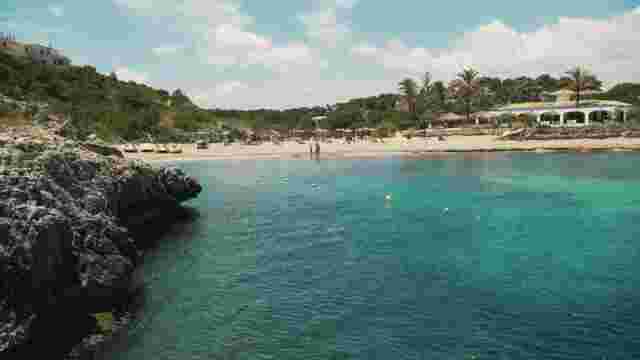
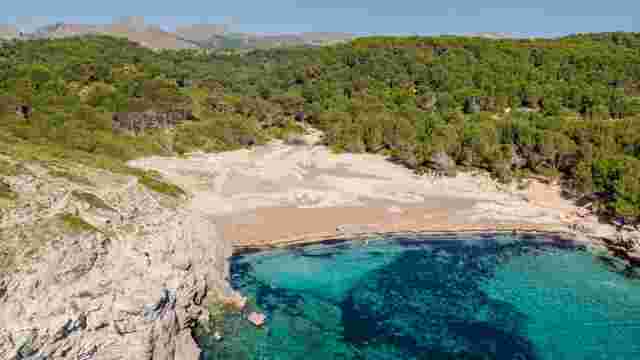
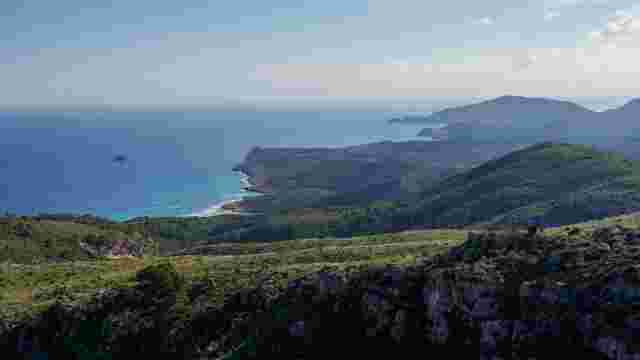
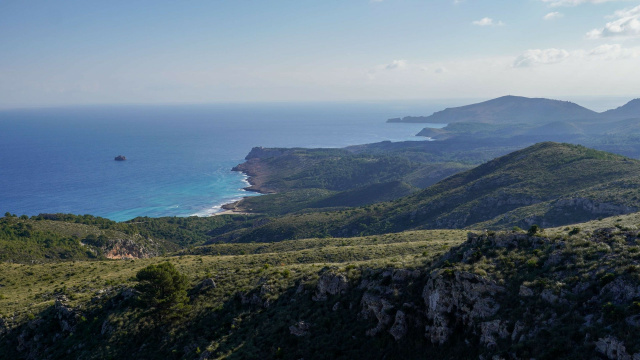
One of the main features that makes the Llevant Natural Park unique is the diversity of ecosystems it concentrates into a relatively small area. In just a few hours of walking, you can pass from a dense, aromatic pine forest to a summit with 360° sea views, go down a path surrounded by holm oaks, and arrive at a white-sand cove where the water is turquoise and there is almost no one else around.
The Sierras de Llevant are the backbone of the park: a discontinuous mountain range running through northeastern Mallorca, with peaks reaching up to 564 meters. The most prominent are Talaia Freda (564 m), Bec de Ferrutx (519 m), Puig des Porrassar (491 m), Puig d'Alpare (487 m), and Puig de sa Tudossa (441 m). On clear days, the views from their summits span from Menorca all the way to the Serra de Tramuntana.
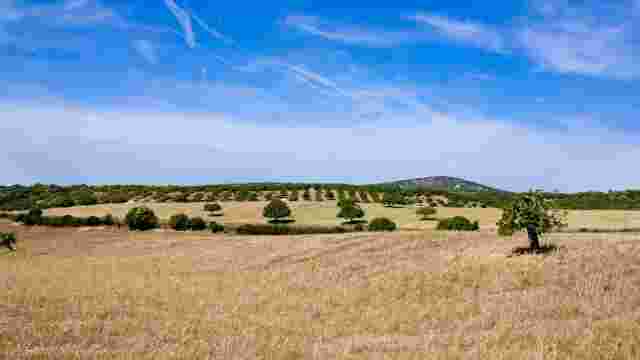
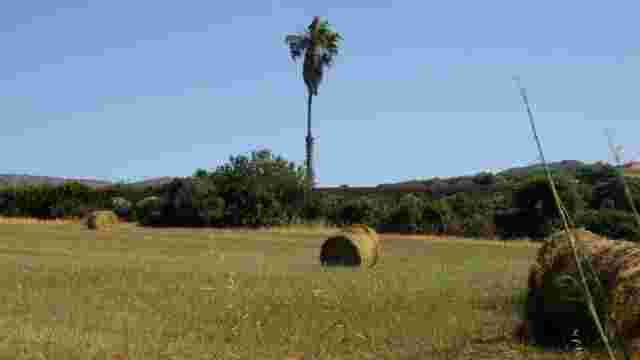
The park also combines Aleppo pine and maritime pine forests, Mediterranean holm oak woods, garrigue scrubland of dwarf fan palm and rosemary, sea cliffs, dune systems, and seasonal streams—all of them in an exceptional state of conservation thanks to the ban on motorized vehicles inside the park.
Wildlife of the Llevant Natural Park
The Llevant Peninsula Natural Park is home to wildlife of high ecological value, featuring several endemic species and a birds of prey community that makes it one of the best birdwatching destinations in eastern Mallorca.
Among the most special endemic species is the ferreret (Alytes muletensis), a small Balearic midwife toad that was practically extinct before being successfully reintroduced to the park from the Serra de Tramuntana. The population of Mediterranean spur-thighed tortoise is also significant, a protected species that can be spotted along the trails in spring.
Are you a bird enthusiast? These are some of the most notable species in the park:
- Eleonora's falcon: A migratory bird of prey of great beauty, visible in summer.
- Cinereous vulture (Black vulture): The largest bird in the Iberian Peninsula, with a wingspan of up to 2.8 m.
- Booted eagle and osprey: Present in the steepest areas of the park.
- Peregrine falcon and Egyptian vulture: Regularly spotted on the coastal cliffs.
- Red kite and European shag: Common in the marine and coastal areas.
- Audouin's gull: An endangered species that finds refuge on the park's cliffs.
And a surprise that many visitors do not expect: on the route between Cala Torta and S'Arenalet d'Aubarca, it is common to come across semi-wild horses grazing freely, which will often let you get quite close.
Flora: Garrigue, Endemic Species, and the Mallorcan Dwarf Fan Palm
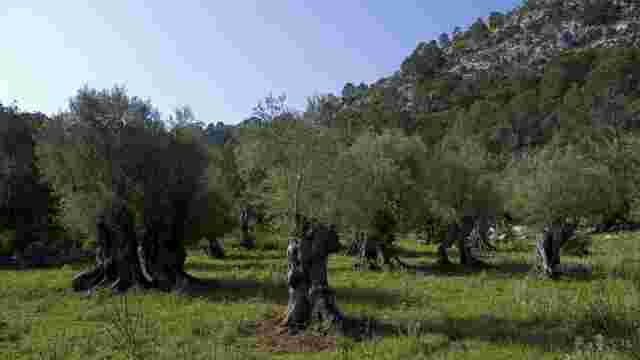
The vegetation of the Llevant Natural Park follows the classic pattern of the Balearic Mediterranean. It is dominated by Aleppo and maritime pine forests, holm oak woods with an understory of dwarf fan palm (Chamaerops humilis, the only native palm tree in Europe), and garrigue made of rosemary, thyme, mastic, and wild olive trees.
Among the park's most unique species are the Mallorcan peony, endemic to the Balearic Islands and featuring deep pink flowers in spring, and the Balearic St. John's wort, a yellow-flowered shrub exclusive to the islands.
The Pristine Coves of the Llevant Natural Park
All of them are accessible from the MA-3333 highway at km 4.7 (the park's information center in Artà), where the official trails begin:
Cala Torta
The most accessible of the coves in the park. It is reached via a dirt track from the road linking Artà to Cala Torta, with parking available at the end. Its waters are calm and turquoise, with a seabed of sand and posidonia seagrass. It serves as the starting point for the coastal route leading to S'Arenalet d'Aubarca.
Cala Mitjana and Cala Estreta
Between Cala Torta and Cala des Matzoc lie these two little gems, accessible only on foot via the coastal path. Cala Estreta is particularly narrow and photogenic, flanked by reddish rock cliffs. Cala Mitjana boasts extraordinarily transparent waters inside a nearly circular cove.
Cala des Matzoc and the Torre d'Albarca
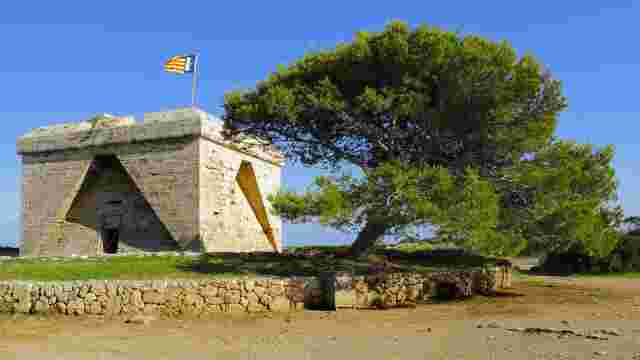
Near Cala des Matzoc stands the Torre d'Albarca, an artillery defense tower built in 1751 by order of the Artà Town Council to monitor the Menorca Channel against the British occupation of that island. With a truncated cone design, it still preserves a cannon on its roof terrace. A unique point of historical and panoramic interest within the park.
Sa Font Celada
A small cove with a defining feature: a freshwater spring that bubbles up among the rocks. A hidden corner even among regular visitors to the park, perfect for a peaceful stop along the coastal route.
S'Arenalet des Verger
The final destination of the coastal route and one of the most stunning landscapes in the Llevant Natural Park. A white-sand beach surrounded by pine trees, featuring deep blue waters and, typically, very few people. It can only be reached on foot, with a hike of approximately 5.5 km from the Cala Torta parking lot. The S'Arenalet refuge, managed by the Balearic Government, allows for overnight stays in the park with a prior reservation.
Hiking in the Llevant Natural Park: Featured Routes
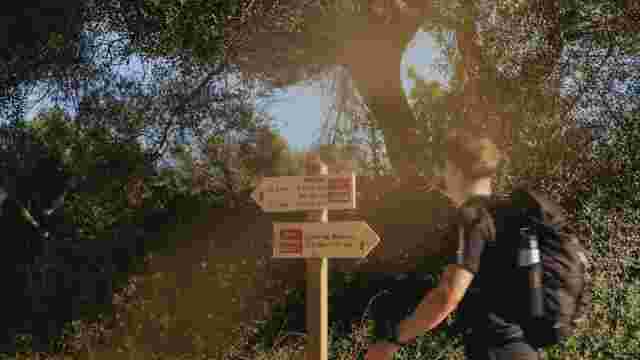
The Llevant Peninsula Natural Park features 19 official walking itineraries, all signposted and free to access. They range from family-friendly walks under 5 km to demanding treks that climb the summits of the Sierras de Llevant. Here are the highlights by difficulty level:
Easy Route: Volta als Establits de s'Alqueria Vella
Starting point: park information center. Distance: 3.4 km loop. Approximate duration: 110 minutes. Minimal elevation gain. It explores the surroundings of s'Alqueria Vella through pine forests and garrigue, featuring interpretive panels about the park's flora and fauna. Suitable for families.
Medium Route: Camí dels Presos to S'Arenalet des Verger
One of the routes with the most history in the Llevant Park. The Camí dels Presos (Prisoners' Path) was built around 1941 by prisoners of the Francoist regime in exchange for sentence reductions. The route crosses the interior of the park until reaching the pristine beach of S'Arenalet des Verger. Approximate distance: 10-12 km round trip.
Demanding Route: Climb to Talaia Freda
The highest peak in the park and the Sierras de Llevant. From the summit on clear days, you can spot Menorca, the Serra de Tramuntana, and the entire eastern coast of Mallorca.
Coastal Route: From Cala Torta to S'Arenalet d'Aubarca
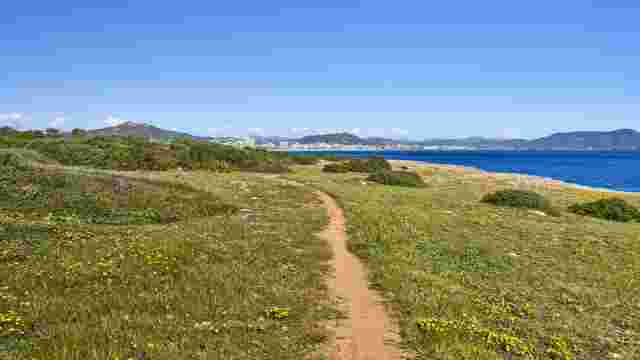
One of the park's most popular routes among visitors. It skirts the coast, linking together Cala Torta, Cala Mitjana, Cala Estreta, Cala des Matzoc (with the Torre d'Albarca), Sa Font Celada, and S'Arenalet d'Aubarca. Approximate distance: 11 km round trip.
Before Visiting the Llevant Natural Park
Remember that motorized access is prohibited inside the park. Cars must be left in the external parking lot.
Information Center
- Address: s'Alqueria Vella de Baix, MA-3333 km 4.7, Artà
- Opening hours: Monday to Sunday, from 9:00 AM to 4:00 PM
- Phone: +34 606 09 68 30
- Admission: No prior reservation is required for general trails.
Basic Park Rules
- Camping is prohibited outside the S'Arenalet refuge (which requires a prior reservation).
- Building fires and smoking are prohibited in forested areas.
- Collecting plants or animals, as well as feeding the wildlife, is prohibited.
- Hunting is prohibited along the entire route, as it is a game reserve.
The Llevant Peninsula Natural Park is just one of many natural treasures in the east of Mallorca. If you want to discover more natural areas, hiking routes, and unique spots in the Mallorcan Llevant, you will find everything you need to plan your visit at East Mallorca.